Sustainable Baby Products: A Complete Guide to Eco-Conscious Parenting
Introduction
Becoming a parent changes your perspective on the future. Suddenly, the world’s environmental challenges feel personal and urgent—because the planet your baby will inherit depends on choices made today. This awakening leads many parents toward sustainable baby products, but navigating this space can feel overwhelming. What does “sustainable” really mean for baby items? Which products matter most? And how do you balance environmental values with safety, practicality, and budget constraints? This comprehensive guide addresses these questions, helping you make informed choices that protect both your baby and their future world.
Understanding True Sustainability in Baby Products
“Sustainable,” “eco-friendly,” and “green” have become marketing buzzwords that often lack substantive meaning. True sustainability in baby products encompasses multiple interconnected considerations.
Material Sourcing: Sustainable products use renewable materials harvested responsibly. Organic cotton grown without pesticides, bamboo from managed forests, and wood from FSC-certified sources all qualify. The key is that material production doesn’t deplete resources or damage ecosystems.
Manufacturing Process: How items are made matters as much as what they’re made from. Sustainable manufacturing minimizes energy use, avoids toxic chemicals, reduces water consumption, and limits waste. Handmade production often has lower environmental impact than mass manufacturing requiring intensive energy and resource use.
Product Lifespan: Sustainability includes durability. Items that last through multiple children reduce overall resource consumption more effectively than cheap products requiring frequent replacement. Quality construction that enables years of use is inherently more sustainable than disposability.
End-of-Life Considerations: What happens when the product is no longer useful? Sustainable items can be recycled, composted, or biodegrade naturally rather than persisting in landfills for centuries. Natural materials generally excel here compared to synthetic alternatives.
Social Sustainability: True sustainability includes human welfare. Fair wages, safe working conditions, and community support are integral to genuinely sustainable production. Exploitative labor practices aren’t sustainable regardless of environmental considerations.
Why Baby Products Especially Matter
The first years of life create disproportionate environmental impact through the sheer volume of products consumed. Understanding this helps prioritize where sustainable choices matter most.
The average baby uses approximately 6,000 diapers before potty training—contributing millions of disposable diapers to landfills annually. Add plastic toys that break and get discarded, synthetic clothing that doesn’t biodegrade, and various disposable products, and the environmental footprint becomes substantial.
Additionally, babies are particularly vulnerable to chemical exposures. Their developing systems process toxins less efficiently than mature bodies. Sustainable products that avoid synthetic chemicals protect both environmental and human health simultaneously.
Choosing sustainable baby products teaches values through action. Children learn more from what they see than what they’re told. Growing up surrounded by natural materials and conscious consumption patterns shapes their own values and behaviors.
Priority Areas for Sustainable Baby Products
You don’t need to purchase everything new and sustainable simultaneously. Focusing on high-impact areas maximizes both environmental benefit and budget efficiency.
Diapers: This represents the highest-volume consumable for babies. Cloth diapers using organic cotton dramatically reduce waste compared to disposables. Modern cloth diapers with user-friendly designs eliminate many traditional objections. If cloth feels overwhelming, biodegradable disposables offer middle-ground compromise, though they still require resources and disposal.
Clothing: Babies outgrow clothing rapidly, leading to massive textile waste. Sustainable approaches include buying secondhand, choosing organic cotton or bamboo fabrics, and selecting durable items that last through multiple children. Natural fibers biodegrade at end-of-life rather than persisting in landfills indefinitely like polyester.
Toys: Plastic toy production and disposal create significant environmental impact. Sustainable alternatives using wood, organic cotton, natural rubber, and bamboo provide superior developmental benefits while dramatically reducing environmental harm. Quality natural material toys last years or decades rather than breaking quickly like cheap plastic versions.
Bedding and Sleep Items: These have extensive skin contact with babies and require frequent washing. Organic cotton sheets, mattresses made with natural materials, and chemical-free mattress pads protect both baby health and environment. The durability of quality bedding justifies higher initial investment.
Feeding Items: Bottles, dishes, and utensils accumulate quickly. Glass bottles, stainless steel containers, and bamboo dishes provide sustainable alternatives to plastic that also avoid chemical concerns. These items last indefinitely with proper care.
Bath Products: Conventional baby toiletries contain numerous questionable chemicals with environmental impacts extending beyond your home. Natural, minimally packaged alternatives reduce both chemical exposure and packaging waste. Many babies need minimal products anyway—plain water suffices for most bathing needs.
The Power of Natural Materials
Natural materials form the foundation of sustainable baby products, offering advantages that extend well beyond environmental considerations.
Organic Cotton: The most versatile natural fiber for baby products, organic cotton is grown without synthetic pesticides or fertilizers, uses less water than conventional cotton, and biodegrades naturally. It’s hypoallergenic, breathable, and incredibly soft. Organic cotton toys, clothing, and bedding provide comfort while minimizing environmental impact.
Bamboo: This rapidly renewable resource grows without pesticides, requires minimal water, and regenerates quickly after harvest. Bamboo fabric is naturally antimicrobial, softer than cotton, and highly durable. Bamboo toys and products offer exceptional sustainability credentials.
Wood: FSC-certified wood from responsibly managed forests provides durable, beautiful material for toys and furniture. Wood toys last generations, develop character with age, and eventually biodegrade. The carbon stored in wood products represents long-term carbon sequestration.
Natural Rubber: Harvested from rubber trees without harming them, natural rubber provides safe, sustainable material for teething toys and other baby items. It’s biodegradable, naturally antimicrobial, and free from plastic chemicals.
Wool: Sustainably raised sheep provide renewable wool that regulates temperature naturally, resists dirt and odors, and lasts exceptionally long. Wool mattress pads and clothing offer superior performance while supporting pastoral ecosystems.
Economic Reality of Sustainable Choices
Sustainable baby products typically cost more initially than conventional alternatives. Understanding why helps parents make informed decisions about where to invest.
True Cost Accounting: Cheap products hide environmental and social costs in externalities—pollution, exploitation, waste. Sustainable products internalize these costs through fair wages, environmental protection, and quality materials. The higher price reflects true production cost rather than subsidizing harm.
Durability Economics: A $50 wooden toy used daily for three years by multiple children costs pennies per use. A $5 plastic toy that breaks in weeks costs more per actual use despite lower initial price. Sustainable products’ superior durability often makes them more economical over time.
Health Cost Avoidance: Chemical exposures from conventional products can contribute to health issues whose treatment costs far exceed premiums for natural alternatives. Preventing problems is more economical than treating them.
Resale Value: Quality sustainable products retain value. Used natural material toys, organic clothing, and wooden furniture sell secondhand for reasonable prices, recouping some initial investment. Cheap conventional items have negligible resale value.
Strategies for Affordable Sustainability
Sustainable parenting doesn’t require unlimited budget. Strategic approaches make it accessible across income levels.
Secondhand Shopping: The most sustainable product is one already produced. Buying used eliminates manufacturing impact entirely while saving money. Many sustainable products are specifically designed for durability that enables extensive secondhand life.
Borrowing and Sharing: Baby items are used briefly before being outgrown. Sharing equipment like cribs, high chairs, and toys within friend or family networks reduces individual purchases while building community connections.
Selective Investing: Focus budget on items with highest use—diapers, everyday clothing, frequently used toys. Accept conventional options for rarely used items. Perfect isn’t required; better is still valuable.
DIY When Possible: Many baby items can be made at home—cloth wipes from old towels, simple toys from safe household items, nursing pads from organic cotton. Time investment replaces financial investment.
Minimalism: The most sustainable approach is buying less. Babies need far fewer products than marketing suggests. Evaluate each purchase critically—is this necessary or merely nice to have?
Beyond Products: Sustainable Practices
Sustainability extends beyond what you buy to how you use it.
Proper Care: Following care instructions extends product life. Washing items appropriately, storing them properly, and repairing minor damage prevents premature disposal.
Mindful Washing: Laundry represents significant environmental impact through water and energy use. Full loads, cold water when possible, and line drying reduce this impact while extending textile life.
Creative Repurposing: Outgrown items can serve new purposes. Baby clothes become cleaning cloths, crib sheets become play mats, toys get donated to provide value elsewhere.
Waste Reduction: Cloth wipes instead of disposables, reusable storage bags instead of plastic, and similar swaps gradually reduce waste generation.
The Social Dimension of Sustainability
Environmental sustainability cannot be separated from social justice. Many sustainable baby product companies explicitly address this connection.
Fair Trade Practices: Ensuring artisans receive fair compensation for their work prevents the exploitation common in conventional manufacturing. Supporting these businesses creates economic opportunity while producing quality products.
Women’s Empowerment: Many sustainable baby product businesses are founded and operated by women, often providing flexible work that accommodates family responsibilities. Purchasing from women-owned businesses supports gender equity.
Community Building: Sustainable parenting often involves sharing, borrowing, and community connection. These relationships strengthen social fabric while reducing individual consumption.
Cultural Preservation: Handmade products often incorporate traditional crafts passed through generations. Supporting these artisans helps preserve cultural heritage that might otherwise disappear under pressure from mass production.
Navigating Greenwashing
As demand for sustainable products grows, so does misleading marketing. Recognizing greenwashing protects you from empty claims.
Vague Claims: Terms like “natural” or “eco-friendly” without specific certifications or explanations mean little. Legitimate sustainable claims include specific details about materials, sourcing, and manufacturing.
Selective Disclosure: Highlighting one sustainable attribute while ignoring others misleads. A product might tout recycled packaging while containing problematic chemicals. Evaluate products holistically.
Meaningless Certifications: Some companies create their own “eco” logos without independent verification. Look for recognized third-party certifications—GOTS for textiles, FSC for wood, Fair Trade, OEKO-TEX, and similar legitimate standards.
False Comparisons: “More eco-friendly than conventional” doesn’t mean sustainable—just less harmful. This relative claim can disguise products that remain problematic despite marginal improvements.
Getting Started: Your Sustainable Journey
Transitioning to sustainable baby products happens gradually. Start where you feel comfortable and expand from there.
Identify Priorities: What matters most to you—environmental impact, chemical avoidance, supporting artisans, or all three? Let your values guide where to focus initial efforts.
Start with Essentials: Begin with items you’ll purchase anyway—diapers, basic clothing, essential toys. Making these choices sustainable creates immediate impact without requiring additional purchases.
Research Brands: Identify companies whose values align with yours. Supporting businesses committed to genuine sustainability creates market pressure for broader industry change.
Join Communities: Connect with other sustainably-minded parents through online groups or local communities. Sharing resources, advice, and even products makes sustainable parenting easier and more enjoyable.
Give Yourself Grace: Perfect sustainability is impossible. Every improvement matters—don’t let perfect be the enemy of good. Celebrate progress rather than berating yourself for what you haven’t yet changed.
The Ripple Effect
Individual sustainable choices might seem small against global environmental challenges, but collective action creates substantial impact. Each purchase signals market demand for sustainable products, encouraging more companies to adopt better practices.
Additionally, sustainable parenting influences others. When friends see your beautiful natural toys and healthy baby, they ask questions and consider similar choices. This social influence multiplies individual impact.
Most importantly, you’re raising a child who understands that choices matter, that we have responsibility for environmental impact, and that convenience isn’t the ultimate value. These lessons shape how they’ll approach consumption and environmental stewardship throughout their lives.
Conclusion: Sustainable Baby Products for a Better Future
Choosing sustainable baby products represents an investment in your child’s future world. While it requires more thought and sometimes more money than grabbing whatever’s cheapest or most convenient, the benefits—environmental, health, social—justify this investment.
Sustainable baby products aren’t about sacrifice or deprivation. They’re about choosing better—products that work better, last longer, support your values, and protect the world your baby will grow up in. They’re about aligning your daily choices with your deepest values and teaching your child through action that we can live well while treading lightly on the earth.
Your baby deserves both a healthy start and a healthy planet to grow up on. Sustainable baby products help provide both.
Why Us
Skill-Building Design
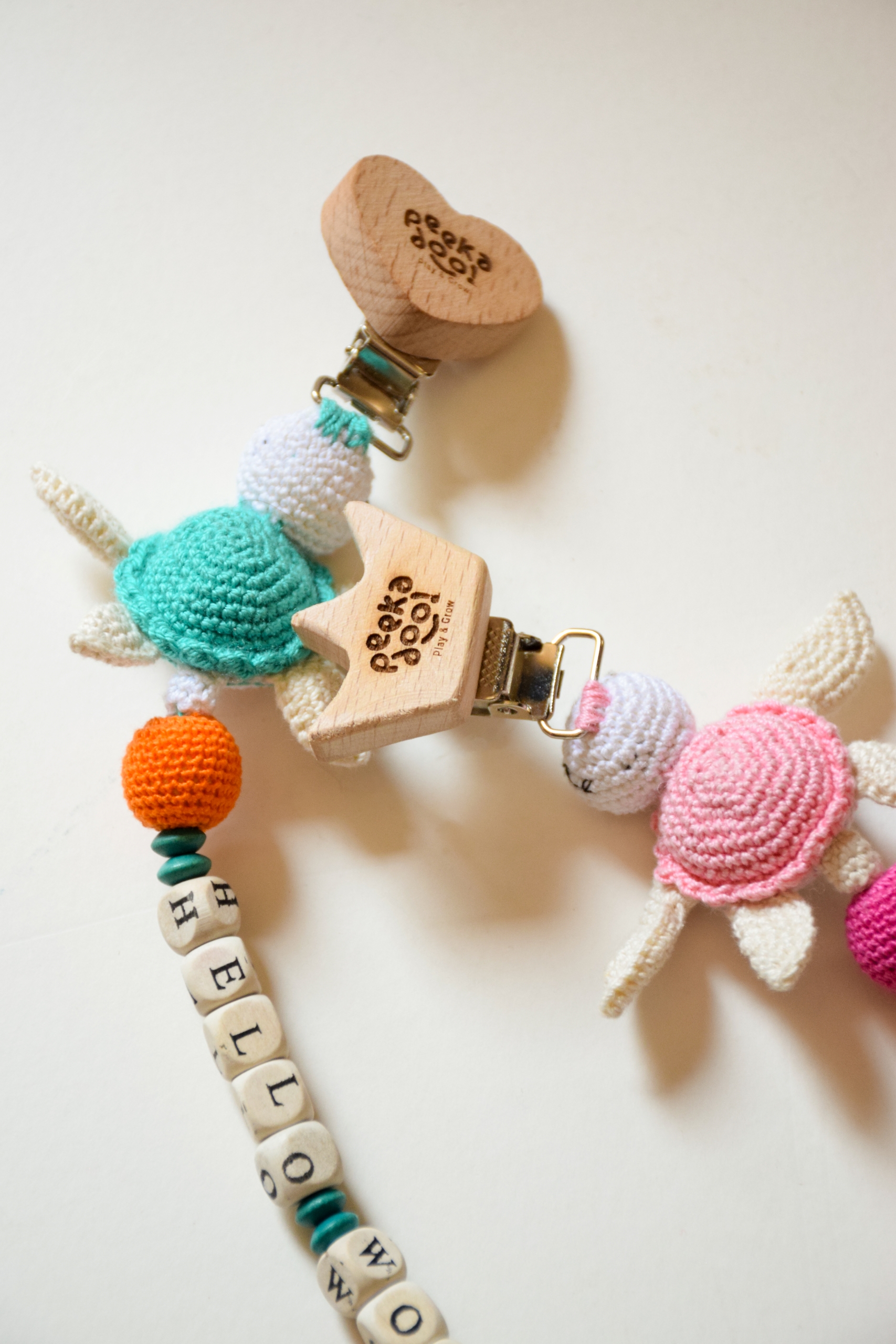
Handmade toys and essentials that support fine motor skills, hand-eye coordination, and sensory play.
Natural & Safe Materials
Soft, breathable cotton and bamboo yarns—gentle on babies and made with care.
Impact With Every Purchase
We empower women artisans and create responsible products aligned with key SDGs.