Natural Baby Products: A Complete Guide to Chemical-Free Choices for Your Little One

Developmental Advantages
The moment you discover you’re expecting, priorities shift. Suddenly, ingredient lists matter. Manufacturing processes matter. The unseen chemicals in everyday products become a source of concern. This awakening leads countless parents to seek natural baby products—items made without synthetic chemicals, harsh additives, or questionable ingredients. But navigating the natural baby products world can feel overwhelming. What does “natural” really mean? Which products matter most? And how do you separate genuine natural options from greenwashing marketing?
Understanding What “Natural” Really Means
The term “natural” gets thrown around liberally in baby product marketing, but it lacks regulated definition in many countries. This creates confusion and allows misleading claims. True natural baby products should meet specific criteria that go beyond marketing buzzwords.
Genuinely natural products derive their ingredients from plant, mineral, or animal sources rather than petroleum-based or synthetic alternatives. They’re processed minimally, using mechanical methods rather than chemical extraction when possible. They contain no synthetic fragrances, artificial colors, or preservatives linked to health concerns.
Natural doesn’t automatically mean organic, though the terms often overlap. Organic certification ensures materials were grown without synthetic pesticides, fertilizers, or genetic modification. For baby products, organic natural materials offer the highest standard of purity.
It’s important to recognize that “natural” also doesn’t mean completely unprocessed. Natural cotton still needs to be spun into yarn. Natural wood requires sanding and finishing. The key is that these processes use safe, non-toxic methods that don’t compromise the material’s inherent benefits.
Why Natural Matters for Babies
Babies aren’t simply small adults—their bodies function differently in ways that make them particularly vulnerable to chemical exposure. Understanding these differences explains why natural baby products aren’t just a preference but often a necessity.
A baby’s skin is significantly thinner and more permeable than adult skin. This means chemicals absorbed through skin contact enter their bloodstream more readily. The blood-brain barrier, which protects adult brains from many toxins, isn’t fully developed in infants. Their organs are still maturing, making them less efficient at processing and eliminating chemical exposures.
Pound for pound, babies breathe more air, consume more food and water, and have more skin contact with surfaces than adults. This creates proportionally higher exposure to any chemicals present in their environment. Since their immune systems are still developing, babies have fewer resources to defend against chemical insults.
Recent research has linked common chemicals in baby products to various health concerns, from skin irritation and allergies to more serious developmental issues. Phthalates in plastic toys, formaldehyde in fabrics, synthetic fragrances in lotions—these substances appear harmless but can accumulate and interact in ways science is still discovering.
Essential Natural Baby Product Categories
Transitioning to natural baby products doesn’t require replacing everything at once. Focus on items with the most skin contact, those used most frequently, and products that enter your baby’s mouth.
Natural Baby Toys
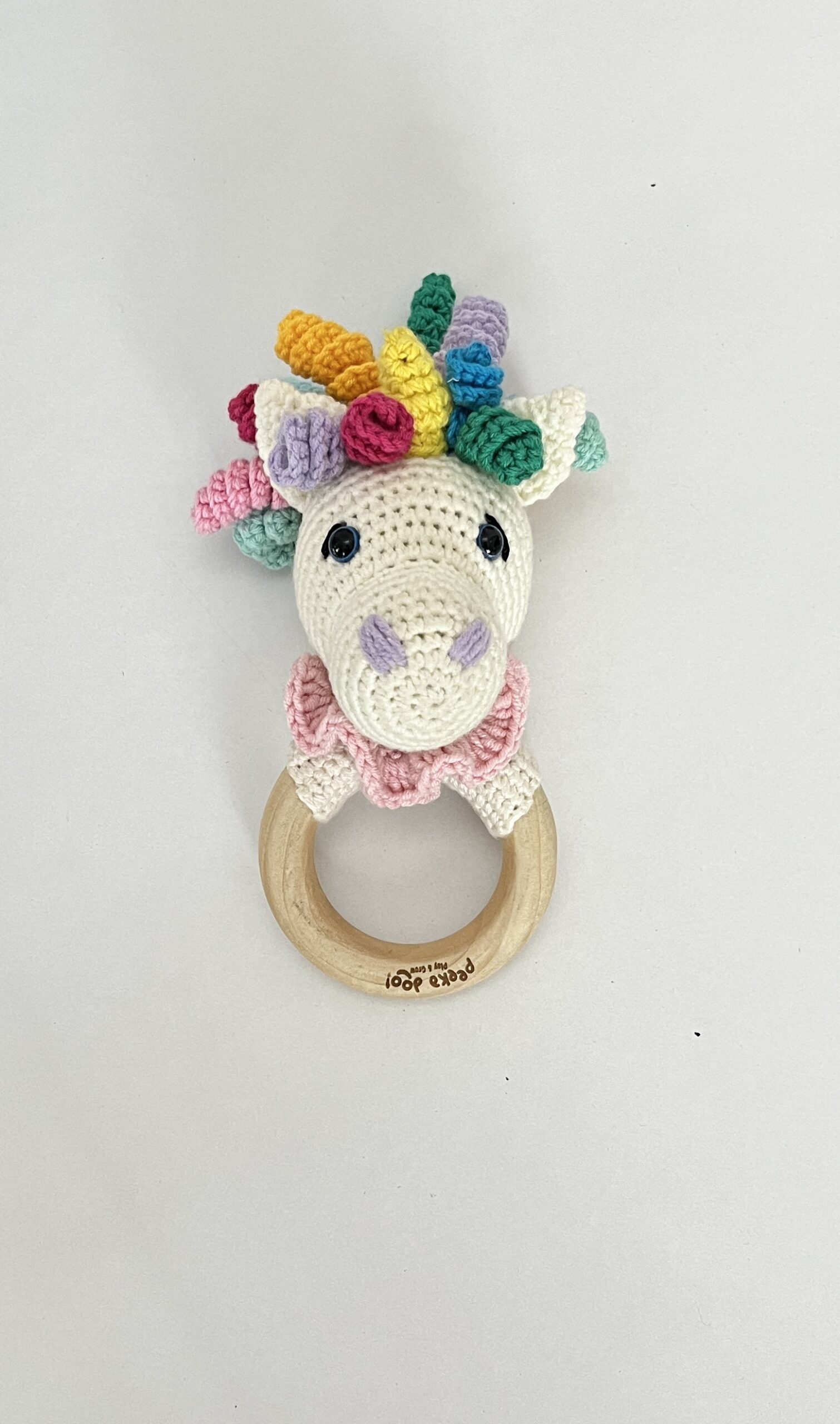
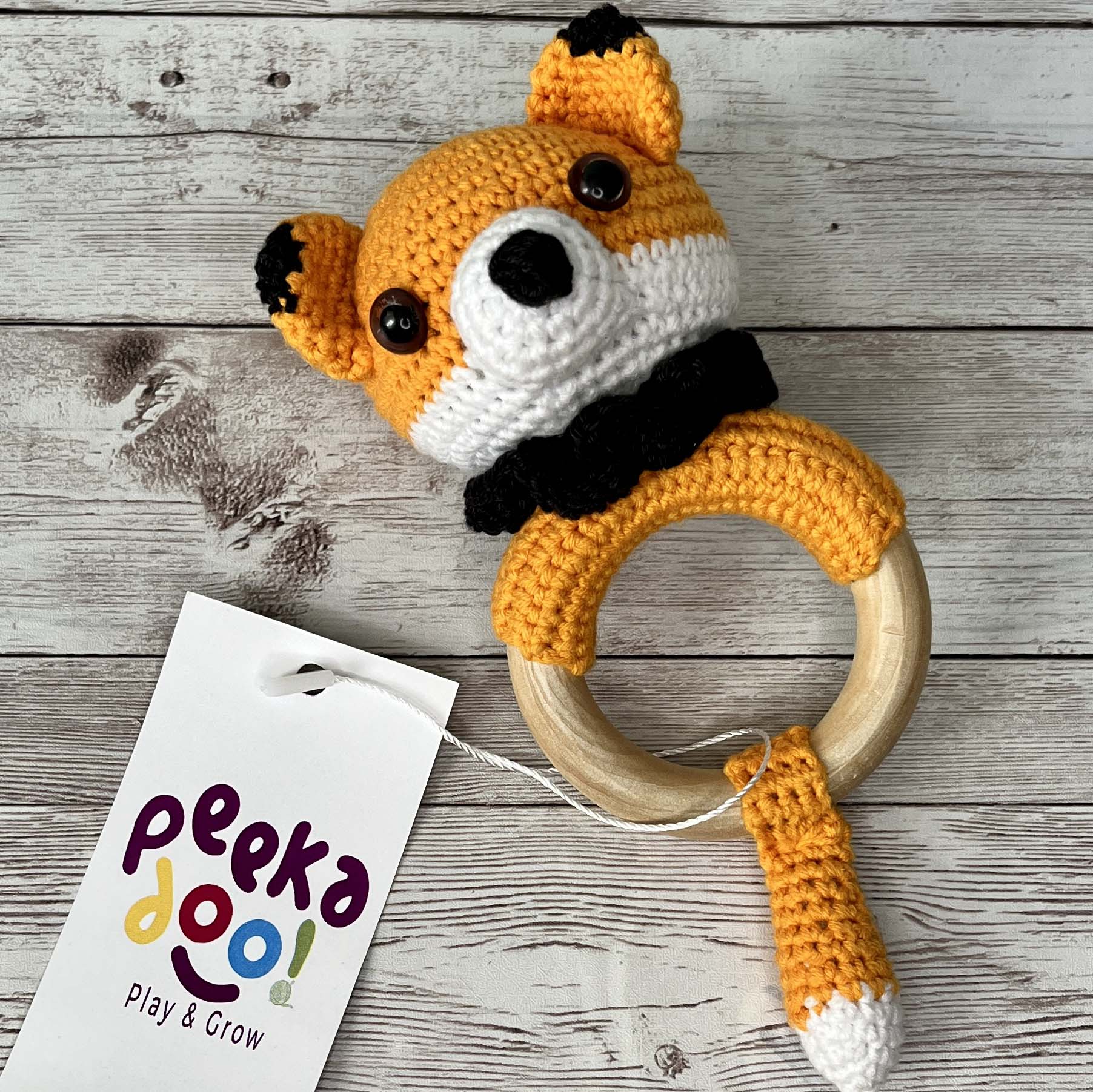
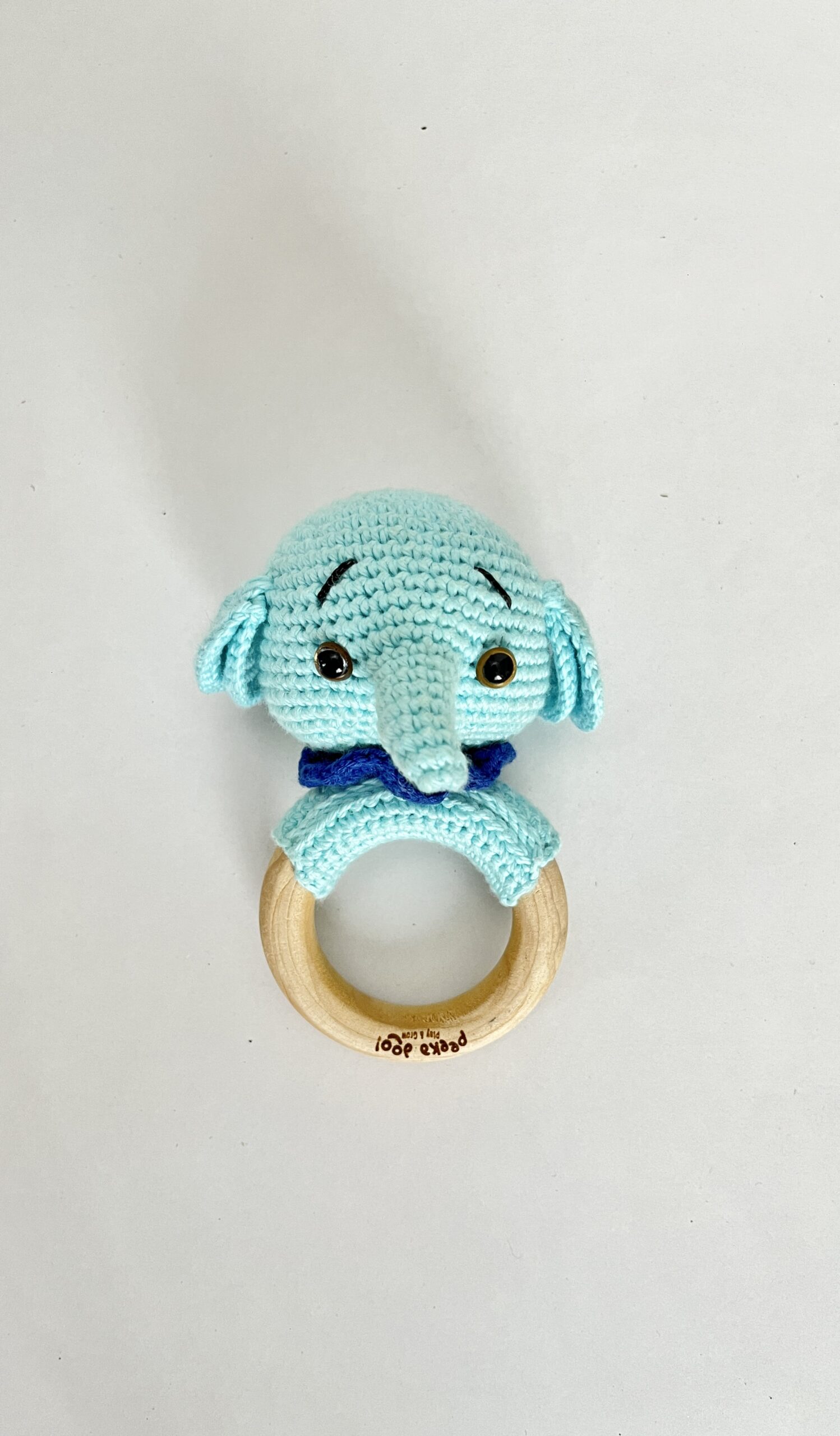
should top your priority list. Babies explore everything orally, meaning toys spend significant time being mouthed, sucked, and chewed. Natural materials like untreated wood, organic cotton, natural rubber, and bamboo provide safe alternatives to plastic toys that may contain BPA, PVC, or phthalates. These materials don’t leach chemicals and offer superior sensory experiences.
Organic Cotton Clothing and Bedding
matters tremendously given the hours babies spend in direct contact with fabrics. Conventional cotton is one of the most pesticide-intensive crops globally. These pesticides remain in fabric even after processing. Organic cotton eliminates this exposure while providing exceptional softness and breathability. Look for GOTS (Global Organic Textile Standard) certification to ensure genuine organic status throughout the manufacturing process.
Natural Skincare Products
should contain minimal ingredients you can pronounce and recognize. Baby skin rarely needs much product, but when moisturizer or diaper cream is necessary, natural options using plant oils, butters, and botanical extracts work effectively without synthetic additives. Look for products in glass rather than plastic containers when possible to avoid additional chemical leaching.
Natural Baby Furniture and Décor
contributes to indoor air quality. Conventional furniture can off-gas VOCs (volatile organic compounds) from particle board, adhesives, and finishes. Natural alternatives use solid wood, non-toxic finishes, and organic fabrics. Even paint choices matter—zero-VOC paints protect air quality in nurseries where babies spend substantial time.
Decoding Labels and Certifications
Navigating natural baby product labels requires understanding various certifications and what they actually guarantee.
GOTS (Global Organic Textile Standard) is the gold standard for organic textiles. It certifies organic fiber content and prohibits toxic chemicals throughout processing. It also includes social criteria, ensuring fair labor practices.
OEKO-TEX Standard 100 certifies that textiles are free from harmful substances. While it doesn’t certify organic content, it does ensure that finished products don’t contain chemicals dangerous to human health.
USDA Organic for food products and ingredients in skincare items verifies organic growing and processing standards. For baby food and topical products with food-grade ingredients, this certification provides assurance.
FSC (Forest Stewardship Council) certification for wooden toys and furniture ensures responsible forest management and sustainable harvesting.
Fair Trade Certified indicates ethical production practices, fair wages, and safe working conditions—values that align with natural product philosophies.
Be wary of self-created seals and vague terms like “eco-friendly” or “green” without supporting certification. Research brands thoroughly and look for transparency about sourcing and manufacturing.
The Environmental Connection
Choosing natural baby products extends benefits beyond your individual child to the broader environment that all children will inherit.
Natural materials are renewable and biodegradable. Organic cotton returns to soil naturally. Wooden toys become compost. This contrasts sharply with plastic products that persist for centuries, breaking down into microplastics that contaminate water supplies and food chains.
The production of natural materials typically requires less energy and generates fewer toxic byproducts than synthetic manufacturing. Organic farming practices build healthy soil, protect water resources, and support biodiversity rather than depleting them.
By choosing natural baby products, you’re voting with your wallet for sustainable practices. As demand increases, more manufacturers adopt natural methods, creating positive industry-wide change that benefits everyone.
Health Benefits Beyond Chemical Avoidance
Natural baby products offer advantages that extend beyond simply avoiding harmful chemicals.
Natural materials regulate temperature more effectively than synthetics. Cotton and bamboo fabrics breathe, preventing overheating that can disrupt sleep and increase SIDS risk. Wool naturally wicks moisture while maintaining warmth.
The varied textures of natural materials support sensory development more effectively than uniform plastic surfaces. Wood grain patterns, cotton weaves, wool fibers—these natural variations provide rich tactile input that builds neural connections.
Natural materials often possess inherent beneficial properties. Bamboo is naturally antimicrobial. Wool resists dust mites. Certain woods have natural antiseptic qualities. These properties provide protection without requiring chemical treatments.
Cost Considerations and Value Assessment
Natural baby products typically cost more than conventional alternatives. This price difference reflects several factors worth understanding.
Quality natural materials cost more to source, especially organic certified options. The labor involved in handcrafting natural products commands fair wages. Smaller production scales for natural products mean less economy of scale compared to mass manufacturing.
However, natural products often offer superior durability that justifies higher initial cost. A well-made wooden toy lasts generations, not months. Organic cotton clothing withstands countless washings without degrading.
Consider the cost of health impacts avoided—doctor visits for skin reactions, treating chemical sensitivities, long-term health issues linked to chemical exposure. Prevention proves cheaper than treatment.
Natural products also hold resale value. Quality items can be sold secondhand or passed to younger siblings, recouping some initial investment. Plastic toys typically end up discarded, offering no return.
Building Your Natural Baby Product Collection
Transitioning to natural products doesn’t require immediate replacement of everything you own. A gradual, thoughtful approach proves more sustainable both financially and practically.
Start with items having most direct contact with your baby: toys that get mouthed frequently, clothing worn daily, bedding used for hours each night. These high-contact items offer the most immediate benefit from natural alternatives.
Research brands whose values align with yours. Many natural baby product companies share detailed information about sourcing, manufacturing, and testing. This transparency indicates genuine commitment rather than marketing positioning.
Consider secondhand natural products. Quality natural items maintain their integrity through multiple users. Buying gently used organic clothing or wooden toys extends the sustainable lifecycle while saving money.
Make some products yourself when feasible. Natural baby wipes can be made from organic cotton cloths and simple water or gentle solution. This DIY approach maximizes control over ingredients while reducing costs.
Common Myths About Natural Baby Products
Misconceptions about natural products can deter parents from making the switch. Addressing these myths helps informed decision-making.
Myth: Natural products don’t clean effectively. Reality: Natural cleaning agents like soap, vinegar, and baking soda have cleaned effectively for centuries. They may work differently than synthetic chemicals, but they accomplish the same results safely.
Myth: Babies outgrow things too quickly to invest in quality natural products. Reality: Babies grow quickly, but natural products’ durability allows passing them to siblings or resale. The cost-per-use often proves lower than cheap replacements.
Myth: Natural means fragile. Reality: Many natural materials exceed synthetic durability. Hardwood toys outlast plastic ones. Organic cotton withstands more washings than synthetic fabrics.
Myth: You can’t tell the difference. Reality: Parents consistently report noticing improvements when switching to natural products—fewer rashes, better sleep, reduced fussiness, and better air quality in homes.
The Holistic Approach
Natural baby products work best as part of a holistic approach to creating a healthy environment for your child.
This includes considering indoor air quality beyond products—ensuring adequate ventilation, using air-purifying plants, and minimizing outdoor pollutants entering your home. It means thinking about water quality for drinking and bathing. It involves food choices, emphasizing organic options when possible, especially for the “dirty dozen” produce items highest in pesticide residues.
Natural products align with mindful parenting that prioritizes long-term wellbeing over short-term convenience. This mindset shapes countless daily decisions that collectively create a healthier childhood.
Looking Forward
As awareness grows and demand increases, natural baby products become more accessible and affordable. Innovation in natural materials and processing continues expanding options available to parents.
The rising generation of parents prioritizes transparency, sustainability, and health-conscious choices. This shift influences the entire baby product industry, pushing even mainstream manufacturers toward cleaner formulations and natural alternatives.
Your choice to seek natural baby products contributes to this positive change. Every purchase signals demand for safer, more sustainable options. You’re not just protecting your baby—you’re helping create a market that protects all children.
Conclusion: Natural Baby Products
Choosing natural baby products isn’t about perfection or achieving some impossible standard. It’s about making thoughtful decisions within your circumstances that prioritize your baby’s health and the planet they’ll grow up in.
Start where you can. Learn as you go. Make improvements gradually. Every natural product you choose makes a difference—for your baby’s immediate health, for long-term developmental outcomes, and for the environmental legacy we leave future generations.
Why Us
Skill-Building Design
Handmade toys and essentials that support fine motor skills, hand-eye coordination, and sensory play.
Natural & Safe Materials
Soft, breathable cotton and bamboo yarns—gentle on babies and made with care.
Impact With Every Purchase
We empower women artisans and create responsible products aligned with key SDGs.