Handmade Baby Toys: Why They’re the Smarter Choice for Your Little One’s Development
Introduction
When you walk through a toy store today, you’re bombarded with flashy, battery-operated toys that light up, make noise, and promise to entertain your baby for hours. But here’s what modern parents are rediscovering: sometimes the simplest choices are the smartest ones. Handmade baby toys are experiencing a renaissance, and for good reason—they offer benefits that mass-produced plastic alternatives simply can’t match.
The Science Behind Handmade Baby Toys
Recent studies in child development have revealed something fascinating: babies don’t need complex toys to learn and grow. In fact, simpler toys often provide richer developmental experiences. When researchers at Temple University studied how different toys affected parent-child interaction, they found that traditional toys like wooden blocks and handmade items generated more meaningful conversations and creative play than electronic alternatives.
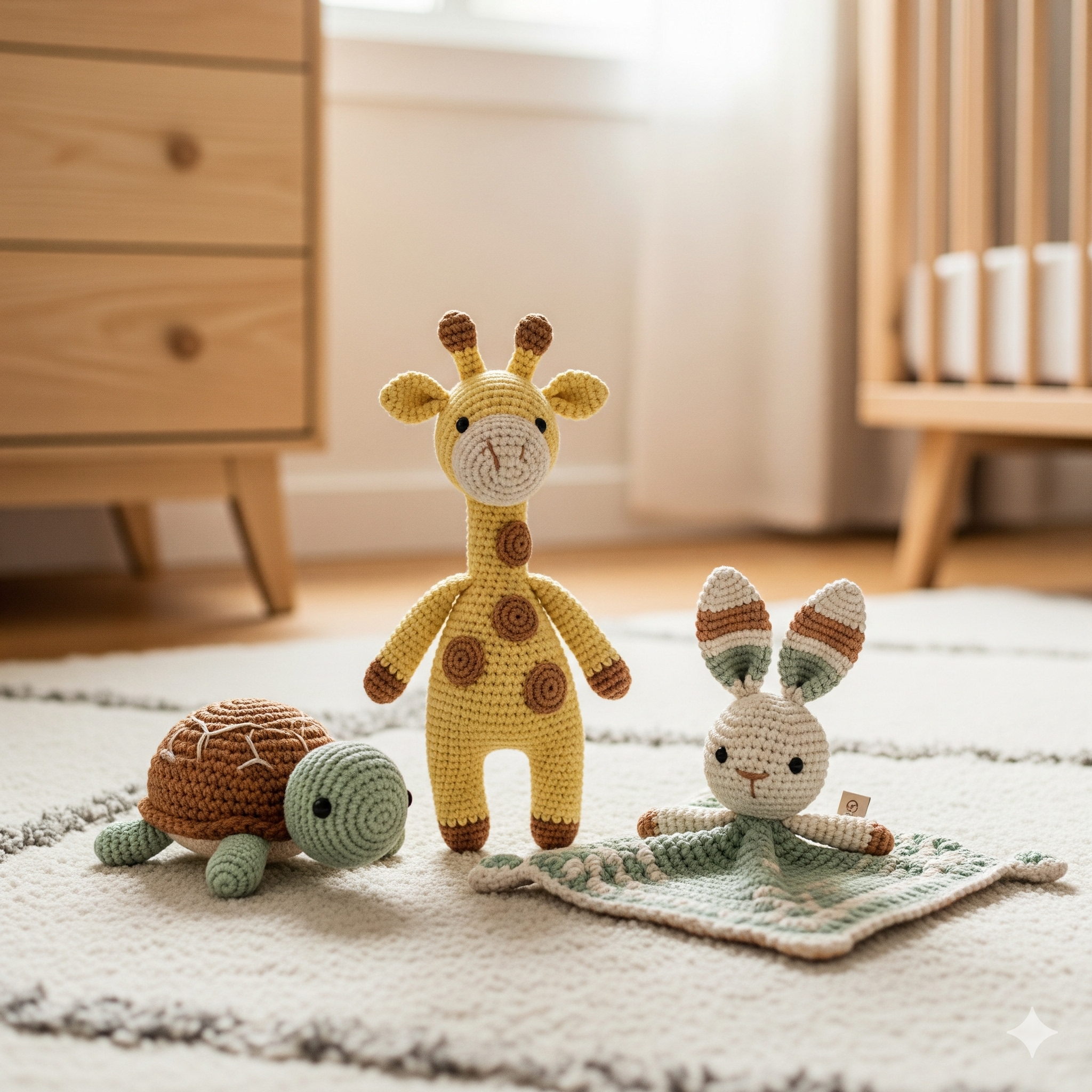
Handmade baby toys tap into this principle perfectly. Without batteries, screens, or pre-programmed responses, these toys require babies to use their imagination and problem-solving skills. A handmade crochet rattle doesn’t tell your baby how to play—it invites exploration, discovery, and creativity.
Natural Materials Make a Real Difference
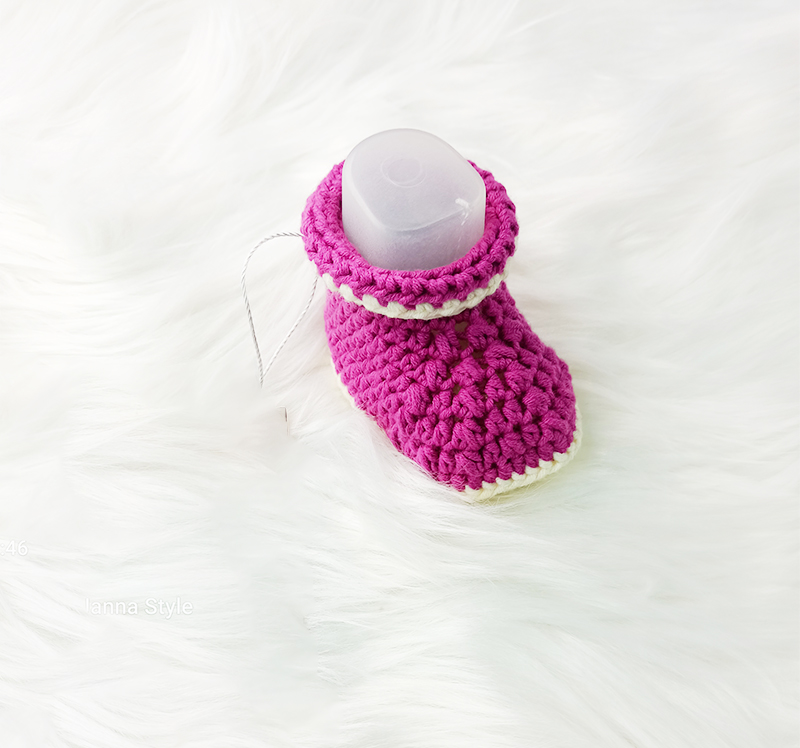
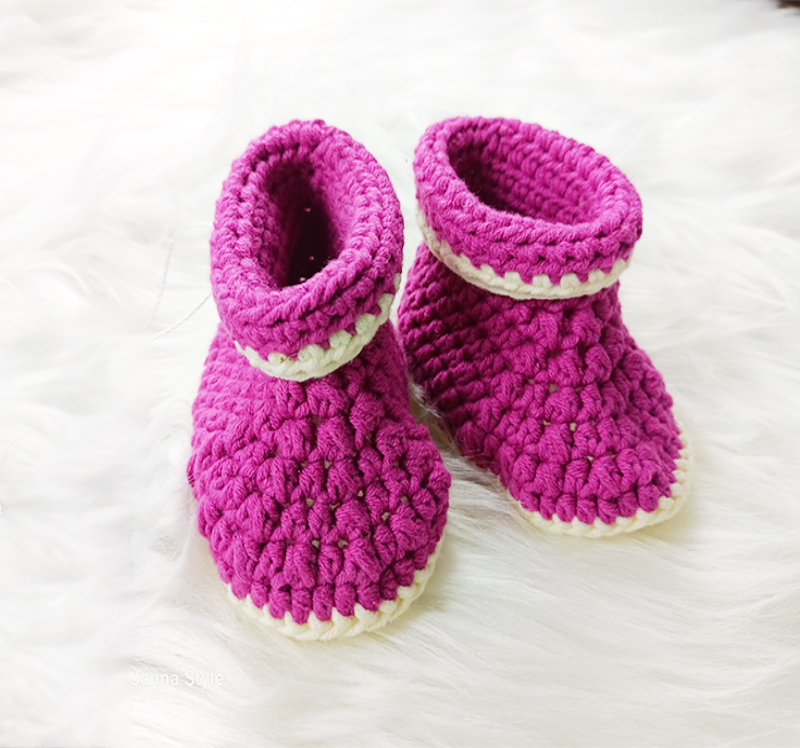
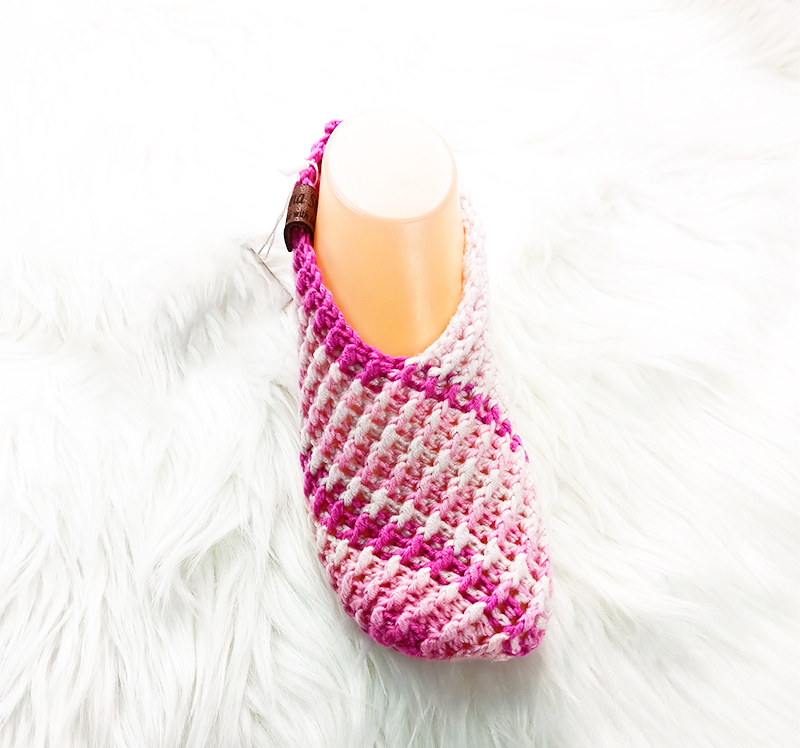
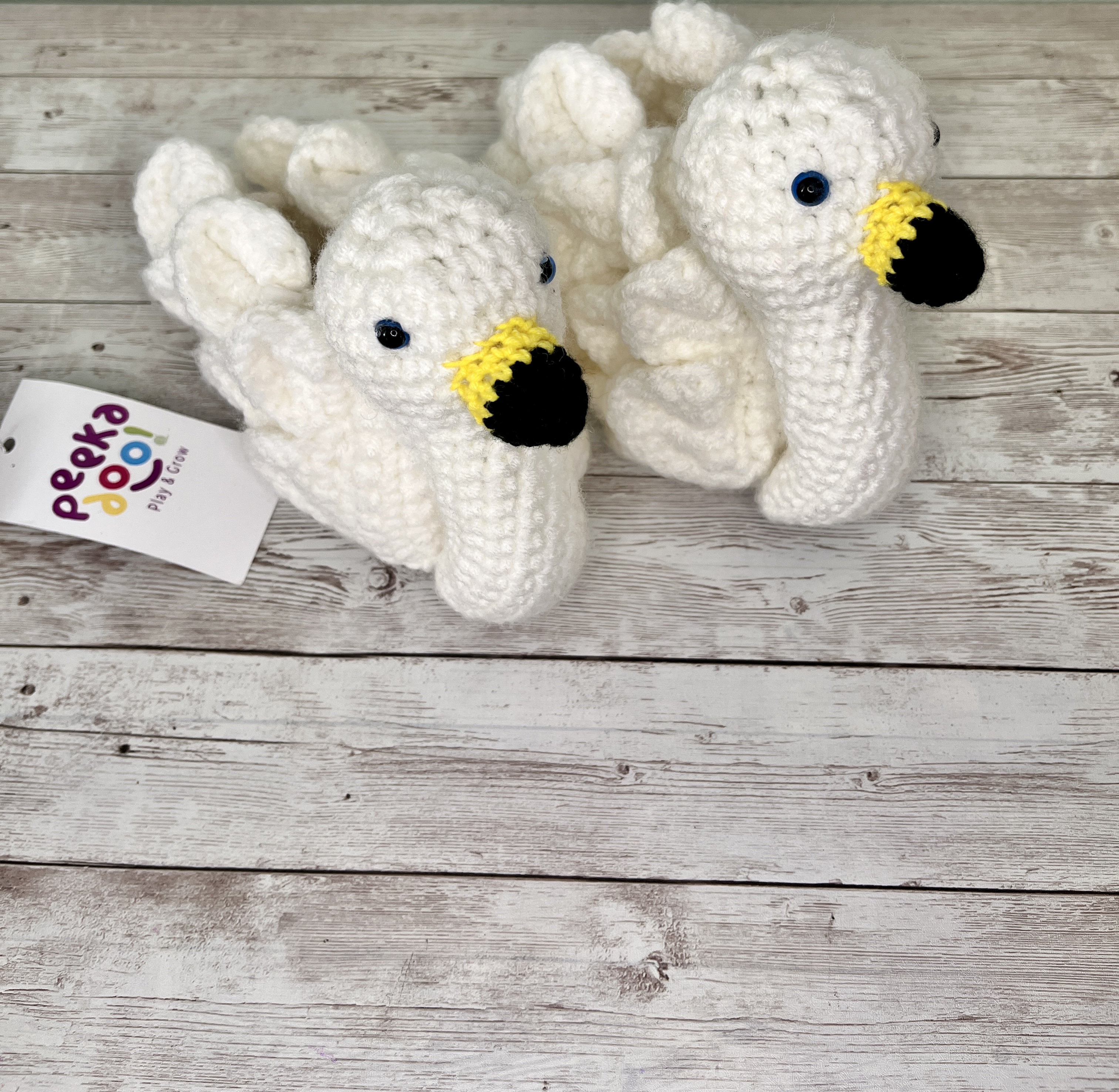
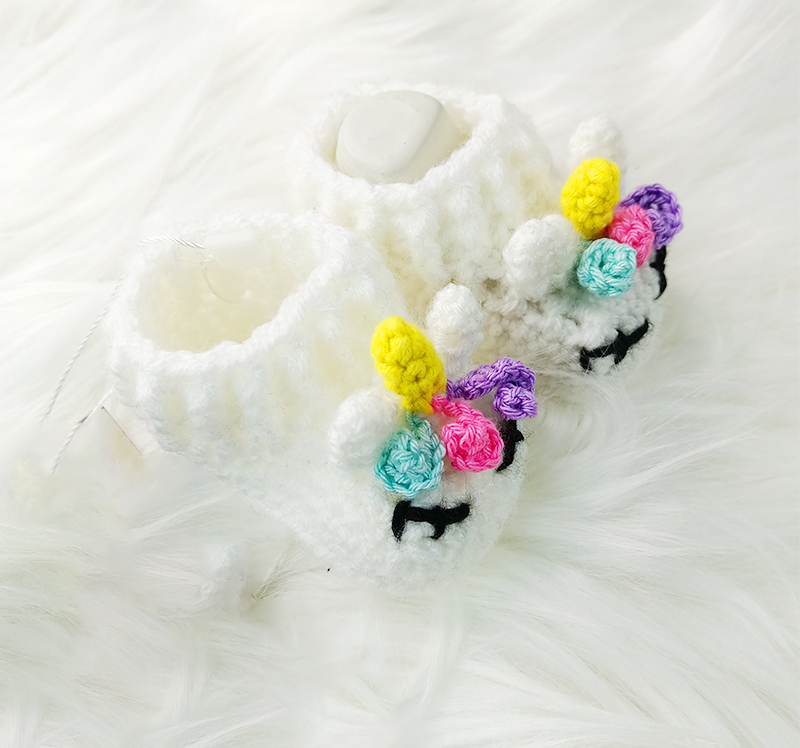
One of the most significant advantages of handmade baby toys is the materials used in their creation. While plastic toys can contain harmful chemicals like BPA, phthalates, and PVC, handmade toys crafted from natural fibers like organic cotton, bamboo, and wood are inherently safer for babies who explore the world through their mouths.
Natural materials also provide unique sensory experiences. Cotton has a soft, breathable texture that’s comforting to touch. Bamboo offers natural antimicrobial properties. Wood has a satisfying weight and warmth that plastic can never replicate. These varied textures contribute to sensory development in ways that uniform plastic surfaces cannot.
The breathability of natural fibers is particularly important for items like security blankets and teething toys that spend significant time in close contact with your baby’s skin. Natural materials reduce the risk of skin irritation and allow for better temperature regulation, keeping your baby comfortable during play.
Supporting Fine Motor Skills Development
Every grasp, squeeze, and manipulation of a toy helps your baby develop crucial fine motor skills. Handmade toys are often designed with this developmental need in mind. The varied textures, shapes, and weights of handmade items provide diverse tactile experiences that strengthen tiny fingers and improve dexterity.
Consider a handmade crochet ball versus a smooth plastic one. The crochet ball has subtle ridges and variations in texture that make it easier for small hands to grip. The slight give in the material provides sensory feedback that helps babies understand cause and effect. These small differences accumulate into significant developmental advantages over time.
Handmade rattles, grasping toys, and activity balls are specifically crafted to fit perfectly in infant hands. Unlike mass-produced toys designed to fit all ages, artisan-made toys can be sized appropriately for different developmental stages, ensuring your baby can successfully interact with their toys and build confidence through play.
The Emotional Intelligence Advantage
Here’s something most parents don’t consider: the toys you choose for your baby send subtle messages about values, quality, and care. Handmade toys carry the energy and intention of their makers. When you give your child a toy that someone crafted with love and attention, you’re introducing them to the concept that objects can have meaning beyond their function.
This concept becomes even more powerful when toys carry stories. At Peekadoo, each character comes with “PeekaMorals”—simple moral lessons that help parents start conversations about kindness, patience, and courage. A handmade toy becomes more than just an object; it becomes a tool for teaching emotional intelligence and character development.
Children who grow up with fewer, higher-quality toys often develop stronger imaginative play skills. Without toys that dictate exactly how to play, children learn to create their own narratives, solve their own problems, and entertain themselves creatively—skills that serve them well throughout life.
Environmental Impact: Thinking Beyond Your Baby
Today’s conscious parents understand that the choices they make affect not just their children, but the world their children will inherit. The environmental impact of toys is staggering. Millions of plastic toys end up in landfills each year, where they’ll remain for centuries, leaching chemicals into soil and water.
Handmade toys offer a sustainable alternative. Natural fibers are biodegradable, renewable, and require significantly less energy to produce than plastic. Many artisan toy makers, including Peekadoo, use leftover materials from other projects, minimizing waste and maximizing resourcefulness.
The durability of handmade toys also contributes to sustainability. While cheap plastic toys break easily and need constant replacement, well-crafted handmade toys can last through multiple children and even become family heirlooms. This longevity means fewer resources consumed and less waste produced over time.
Supporting Artisan Communities and Women Empowerment
When you purchase handmade baby toys, you’re not just buying a product—you’re supporting real people and communities. Many handmade toy businesses, particularly in regions like Egypt and other developing areas, provide crucial economic opportunities for women artisans.
These aren’t faceless corporations; they’re often mothers themselves, working from home to support their families while practicing traditional crafts passed down through generations. Your purchase helps preserve cultural heritage while providing fair wages and flexible work arrangements that empower women economically.
This social impact aligns with the United Nations Sustainable Development Goals, particularly those focused on gender equality, decent work, and responsible consumption. By choosing handmade, you’re participating in a more equitable economic system that values craftsmanship over mass production.
Safety Standards Without Compromise
Some parents worry that handmade means unregulated, but reputable handmade toy makers take safety extremely seriously. In fact, because these toys are often made by parents for parents, safety is typically a top priority.
Quality handmade toys feature securely attached components, non-toxic dyes, and construction methods that prevent choking hazards. The absence of small plastic parts, batteries, and electronic components actually eliminates many common safety concerns associated with conventional toys.
When choosing handmade toys, look for makers who are transparent about their materials and construction methods. Reputable artisans will gladly share information about the fibers they use, how items are cleaned and finished, and what safety standards they follow.
The Sensory Experience
Babies learn about their world primarily through sensory input. The varied textures, weights, and sounds of handmade toys provide richer sensory experiences than uniform plastic alternatives.
A handmade crochet toy offers countless tiny ridges and valleys for exploring fingers. Natural fibers have organic variation that stimulates tactile development. The gentle rustling sound of cotton-filled toys differs from the harsh electronic beeps of battery-operated alternatives, providing auditory stimulation without overstimulation.
This sensory diversity is particularly beneficial for babies with developing nervous systems. While overwhelming sensory input can cause distress, the gentle, natural stimulation provided by handmade toys supports healthy sensory integration.
Practical Considerations for Modern Parents
Beyond developmental benefits, handmade toys offer practical advantages for busy parents. Natural fiber toys are typically machine washable, making them easy to keep clean. They don’t require batteries that die at inconvenient moments. They’re lightweight and portable, perfect for diaper bags and travel.
The aesthetic appeal of handmade toys is another practical benefit. These beautiful, thoughtfully designed items enhance your home’s décor rather than creating visual chaos. Many parents find that having fewer, more beautiful toys makes organizing and maintaining play spaces much easier.
Making the Transition to Handmade
If you’re convinced about the benefits of handmade toys but overwhelmed by your current collection of plastic items, start small. You don’t need to replace everything at once. Begin with items your baby uses most: a handmade security blanket, a natural fiber rattle, or a crochet ball for grasping practice.
As you introduce handmade toys, observe how your baby interacts with them differently. You’ll likely notice longer attention spans, more creative play, and fewer moments of overstimulation. These observations will guide your future purchases and help you build a thoughtful toy collection that truly serves your child’s development.
The Long-Term Perspective
Choosing handmade baby toys is an investment in your child’s development, the environment, and artisan communities worldwide. While the upfront cost may be higher than mass-produced alternatives, the durability, developmental benefits, and environmental advantages make handmade toys more valuable in the long run.
As your child grows, these toys can transition from play items to cherished keepsakes. Many parents save special handmade toys to pass down to future grandchildren, creating family traditions and tangible connections across generations.
Conclusion: Handmade Baby Toys
In a world of endless options and overwhelming choices, handmade baby toys represent a return to what matters most: quality, safety, sustainability, and meaningful development. By choosing toys crafted with care from natural materials, you’re giving your baby the best foundation for learning, growing, and thriving.
The next time you’re shopping for your little one, consider looking beyond the bright plastic aisles. Seek out the makers, the artisans, the people who put love and intention into every stitch. Your baby—and the world they’re growing up in—will benefit from that choice.
Why Us
Skill-Building Design
Handmade toys and essentials that support fine motor skills, hand-eye coordination, and sensory play.
Natural & Safe Materials
Soft, breathable cotton and bamboo yarns—gentle on babies and made with care.
Impact With Every Purchase
We empower women artisans and create responsible products aligned with key SDGs.