Ethical Baby Gifts: Celebrating New Life with Purpose and Values
Introduction
The arrival of a new baby is one of life’s most joyful occasions, and choosing the perfect gift allows you to share in that celebration. But today’s conscious consumers are asking deeper questions about their purchases: Who made this? Under what conditions? What impact does this have on the world the baby will inherit? Ethical baby gifts answer these questions with transparency, integrity, and genuine care for both people and planet. They represent more than just presents—they’re expressions of values, investments in better systems, and contributions to the kind of world we want our children to grow up in.
Understanding What Makes a Baby Gift Truly Ethical
“Ethical” has become a popular marketing term, but genuine ethical baby gifts meet specific, verifiable standards that go far beyond surface-level claims.
Fair Labor Practices: Ethical gifts are produced by workers receiving fair wages, working in safe conditions, and treated with dignity. This means no child labor, no exploitative practices, and no unsafe working environments. Fair Trade certification provides third-party verification of these standards, though not all ethical producers seek formal certification.
Environmental Responsibility: Production methods minimize environmental harm through sustainable material sourcing, reduced energy consumption, minimal waste generation, and thoughtful end-of-life planning. Natural, renewable materials from organic or sustainably managed sources form the foundation of environmentally ethical gifts.
Transparency: Ethical brands openly share information about their supply chains, manufacturing processes, and business practices. They’re proud to tell you who made your gift and under what conditions. This transparency allows consumers to verify ethical claims rather than accepting them on faith.
Community Impact: Many ethical baby gift businesses actively support their communities through job creation, skills training, preservation of traditional crafts, and reinvestment in local infrastructure. Your purchase contributes to community wellbeing beyond the individual transaction.
Quality and Longevity: Ethical production prioritizes durability over disposability. Items are made to last, reducing the need for replacement and minimizing resource consumption over time. This stands in stark contrast to fast fashion and cheap toys designed for short-term use.
Categories of Ethical Baby Gifts
Understanding which gift categories offer the most ethical options helps you shop with confidence and purpose.
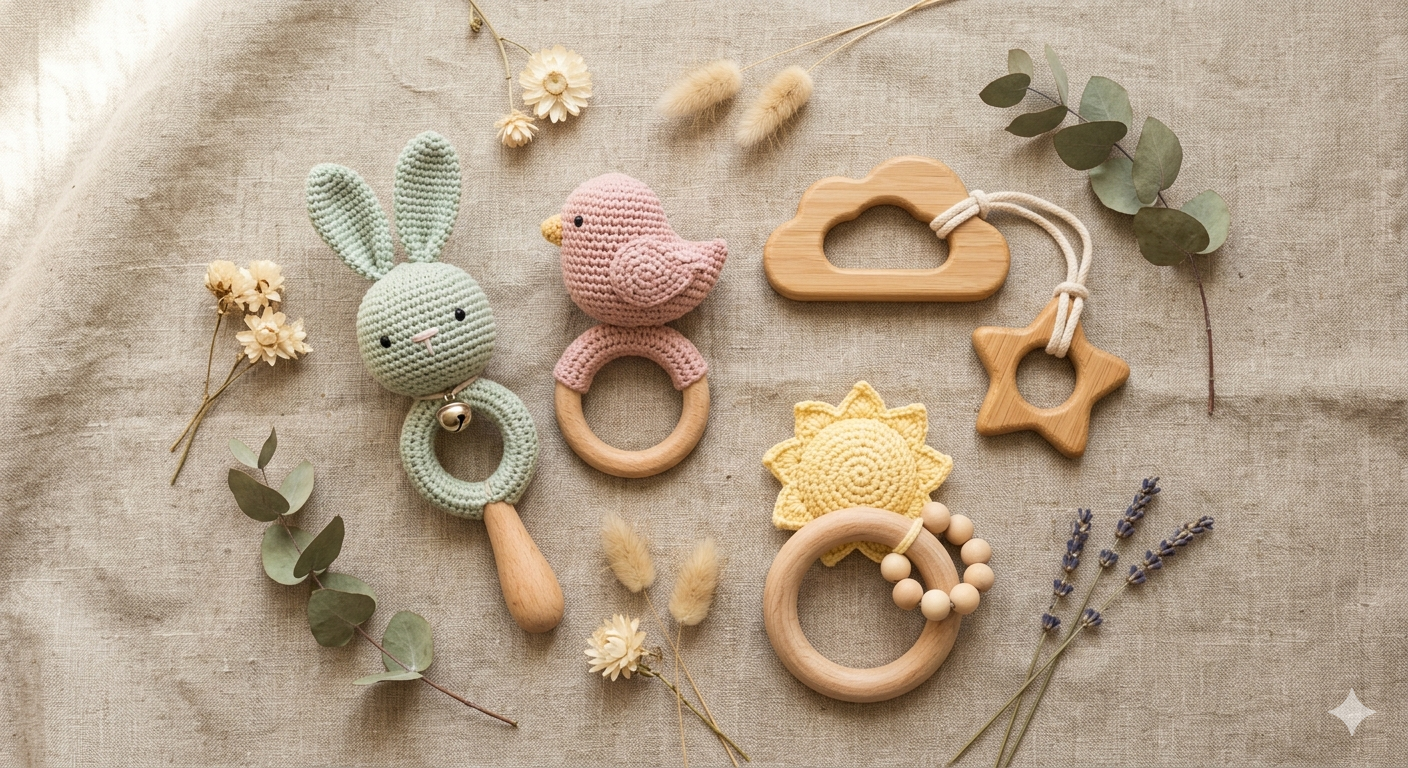
Handmade Toys from Natural Materials: Crochet rattles, wooden toys, organic cotton stuffed animals—these items combine safety, sustainability, and support for artisans. Unlike mass-produced plastic toys, handmade natural toys provide developmental benefits while creating economic opportunity for makers. Egyptian artisans at Peekadoo, for example, create beautiful crochet toys from organic cotton and bamboo, supporting women’s economic empowerment while crafting safe, sustainable products.
Organic Cotton Clothing: Baby clothing made from GOTS-certified organic cotton ensures no harmful pesticides touched the fabric, workers were treated fairly, and strict environmental standards were met throughout production. These garments are gentler on sensitive baby skin while supporting sustainable agriculture.
Fair Trade Baby Care Products: Ethical baby care items use natural ingredients, avoid questionable chemicals, employ fair labor practices, and use minimal, recyclable packaging. These products prove that caring for babies and caring for the world aren’t mutually exclusive.
Artisan-Made Nursery Décor: Handcrafted items like wall hangings, mobiles, and decorative pieces support traditional crafts while adding unique beauty to nurseries. Many artisan businesses preserve cultural heritage through their work, making each piece meaningful beyond its aesthetic value.
Educational Books from Ethical Publishers: Books printed on recycled paper with soy-based inks, featuring diverse representation and published by companies with transparent ethical standards provide gifts that educate while supporting responsible business practices.
Sustainable Baby Gear: Items like organic cotton blankets, bamboo nursing accessories, and wooden teethers combine functionality with ethical production. These practical gifts serve daily needs while aligning with values many new parents hold.
The Social Impact of Ethical Baby Gift Choices
Every purchase is a vote for the kind of economy we want. Choosing ethical baby gifts creates ripple effects that extend far beyond the individual transaction.
Women’s Economic Empowerment: Many ethical baby product businesses are founded and operated by women, often mothers themselves. These businesses provide flexible work opportunities that allow women to earn income while managing family responsibilities. Supporting them strengthens women’s economic independence and decision-making power within families and communities.
Peekadoo exemplifies this model—founded by Abeer Allam, an engineer and mother who employs women artisans throughout Egypt. Each purchase supports these women directly while helping preserve traditional crochet techniques passed through generations.
Preservation of Traditional Crafts: Handmade ethical products often incorporate centuries-old techniques that might otherwise disappear under pressure from mass production. Supporting these crafts helps preserve cultural heritage and the accumulated wisdom embedded in traditional making practices.
Community Development: Ethical businesses often reinvest profits in their communities through education programs, healthcare access, infrastructure improvements, and skills training. Your gift purchase contributes to these broader community benefits.
Breaking Cycles of Exploitation: By choosing ethical alternatives, you reduce demand for products made through exploitative labor practices. This market pressure encourages broader industry change as companies recognize consumers prioritize ethics in purchasing decisions.
Environmental Benefits of Ethical Baby Gifts
The environmental advantages of ethical baby gifts matter tremendously for the world today’s babies will inherit.
Reduced Chemical Pollution: Organic and natural materials are produced without synthetic pesticides, fertilizers, or processing chemicals that contaminate water supplies, harm ecosystems, and contribute to health problems. Choosing organic cotton toys or clothing means supporting agricultural practices that build healthy soil rather than depleting it.
Lower Carbon Footprint: Handmade items produced locally or regionally typically have much smaller carbon footprints than mass-produced alternatives shipped across multiple continents. Supporting local artisans or domestic ethical producers reduces transportation emissions significantly.
Waste Reduction: Durable, quality items that last through multiple children dramatically reduce waste compared to cheap products requiring frequent replacement. Natural materials biodegrade at end-of-life rather than persisting in landfills for centuries like synthetic alternatives.
Resource Conservation: Sustainable production methods conserve water, energy, and raw materials. Bamboo products, for example, come from a rapidly renewable resource requiring minimal water and no pesticides, making them far more sustainable than many alternatives.
Choosing Ethical Baby Gifts That Delight Recipients
Ethical gifts need not be worthy but boring—the best options combine values with genuine delight and usefulness.
Consider Parent Values: If you know the parents prioritize sustainability, organic options will resonate. If they value supporting artisans, highlight the maker’s story. Matching gifts to recipient values ensures appreciation beyond the item itself.
Prioritize Practical Items: Beautiful handmade rattles, organic cotton blankets, natural fiber clothing—these gifts serve real needs while embodying ethical values. Parents appreciate useful items that align with their values more than decorative objects that gather dust.
Include the Story: Part of what makes ethical gifts special is their story. Include information about who made the item, where it came from, and what values it represents. This context transforms a simple toy into a meaningful gift with depth and purpose.
Choose Quality Over Quantity: One beautifully made ethical gift typically delights more than several cheap alternatives. The quality, thoughtfulness, and values embodied in a single item create more impact than a basket of mass-produced goods.
Think Long-Term: Gifts that last, that can be passed to siblings or even future generations, provide enduring value. A handmade wooden toy or quality organic cotton blanket becomes part of family memories rather than quickly forgotten disposables.
Verifying Ethical Claims
As demand for ethical products grows, so does misleading marketing. Protecting yourself from greenwashing ensures your gift choices genuinely support your values.
Look for Third-Party Certifications: Fair Trade, GOTS (Global Organic Textile Standard), FSC (Forest Stewardship Council), B Corporation certification—these independent verifications provide assurance that ethical claims are legitimate rather than just marketing.
Research Brand Stories: Truly ethical companies eagerly share details about their supply chains, production methods, and impact. If information is vague or difficult to find, be skeptical. Transparency indicates genuine commitment.
Avoid Vague Claims: Terms like “eco-friendly” or “natural” without specifics mean little. Ethical gifts should have concrete details about materials, production location, and maker welfare.
Check Reviews and Reputation: Other consumers’ experiences reveal whether companies deliver on ethical promises. Online reviews, ethical shopping guides, and conscious consumer communities provide valuable information.
Ask Questions: Don’t hesitate to contact companies with questions about their practices. Ethical businesses welcome these inquiries and answer openly. Evasive or vague responses suggest claims may not withstand scrutiny.
Price Considerations and Value
Ethical baby gifts typically cost more than mass-produced alternatives. Understanding why helps you appreciate their true value.
Fair Compensation: When makers receive fair wages for skilled work, prices reflect this. The “cheap” prices of mass-produced goods often hide exploitation—someone, somewhere, paid the true cost through poor wages or working conditions.
Quality Materials: Organic cotton, sustainably harvested wood, natural dyes—these materials cost more than synthetic alternatives but provide superior safety, sensory experiences, and environmental benefits.
Artisan Skill: Handmade items represent hours of skilled labor. The expertise required for beautiful crochet work, precise woodworking, or complex sewing deserves fair compensation. You’re paying for human skill and attention rather than machine efficiency.
Durability Value: While initial cost may be higher, ethical gifts’ superior durability often makes them more economical over time. A $40 handmade toy used daily for years by multiple children costs pennies per use—less than a $10 plastic toy that breaks in weeks.
Values Alignment: For many gift-givers, knowing their purchase supports fair labor, environmental stewardship, and community development provides value beyond the physical object. This alignment between spending and values is itself valuable.
Ethical Baby Gift Ideas by Occasion
Different occasions call for different gift approaches, all achievable within ethical frameworks.
Baby Showers: Practical items parents will use frequently—handmade rattles, organic cotton blankets, natural fiber clothing, fair trade baby care products. These demonstrate thoughtfulness while providing genuine utility.
Birth Announcements: Personalized but ethical items like handmade name signs using sustainably sourced wood, custom organic cotton blankets, or artisan-made birth announcement cards on recycled paper.
First Birthdays: Developmental toys from natural materials—wooden blocks, crochet balls, simple puzzles made from sustainable wood. These support learning while embodying ethical values.
Religious/Cultural Ceremonies: Culturally significant items made ethically—baptism blankets from organic cotton, naming ceremony gifts from local artisans, items incorporating traditional cultural designs made by artisans from that culture.
“Just Because” Gifts: Small ethical treasures like handmade pacifier holders, organic cotton bibs, or fair trade books show you’re thinking of the family without requiring a special occasion.
Supporting Specific Causes Through Gift Choices
Many ethical baby gift businesses align with particular causes, allowing your gift to support issues you care about.
Gender Equality: Women-owned and operated businesses, companies employing women artisans, organizations supporting maternal health—these gifts advance gender equity while celebrating new life.
Environmental Conservation: Companies donating portions of proceeds to environmental organizations, carbon-neutral shipping, businesses committed to zero waste—these choices amplify your environmental impact.
Cultural Preservation: Artisan cooperatives preserving traditional crafts, businesses supporting indigenous communities, companies paying fair prices for culturally significant work—these gifts help preserve heritage.
Education Access: Some ethical baby product companies fund educational programs in their production communities. Your purchase contributes to improved education access for children in those communities.
Making Ethical Gifting Accessible
Ethical baby gifts need not strain budgets. Strategic approaches make values-aligned gifting possible at various price points.
Group Gifts: Coordinate with others to purchase higher-quality ethical items together. A group can afford a beautiful handmade mobile or quality organic mattress that might stretch individual budgets.
Focus on Essentials: Choose ethical versions of items parents need anyway—practical gifts provide value while supporting your values without requiring additional spending.
Handmade by You: If you have crafting skills, create gifts yourself using ethically sourced materials. Hand-knit blankets from organic yarn, sewn items from GOTS cotton, or wooden toys you’ve crafted all embody ethical values.
Shop Sales Mindfully: Many ethical brands offer seasonal sales. Planning ahead allows you to purchase quality items at reduced prices while still supporting ethical production.
Quality Over Quantity: One thoughtful ethical gift provides more value than several cheap alternatives. Focus resources on fewer, better items.
The Broader Impact of Ethical Gift Choices
Your ethical baby gift represents more than a single transaction—it’s part of larger movement toward more responsible consumption.
Each ethical purchase signals market demand for better business practices. As more consumers prioritize ethics, more businesses adopt transparent, fair, sustainable practices. Your individual choice contributes to systemic change.
Ethical gifts also spark conversations. When recipients ask about your beautiful handmade gift and you share its story, you potentially influence their future purchasing decisions. This social influence multiplies individual impact.
Perhaps most importantly, ethical gifts celebrate new life in ways that honor the world that baby will inherit. They acknowledge that how we welcome children matters, that our choices reflect our values, and that we can celebrate joyfully while acting responsibly.
Conclusion: Gifts That Reflect Our Highest Values
Choosing ethical baby gifts means celebrating new life in ways that honor all life—the baby being welcomed, the artisans creating beautiful items, the communities supported by fair business practices, and the planet we all share.
These gifts carry stories of care, dignity, and hope. They represent choices to support better systems, to vote with our wallets for the world we want, and to demonstrate that celebration and responsibility aren’t opposites but complements.
When you choose ethical baby gifts, you’re giving more than an object. You’re giving a piece of a better future, crafted with care by people treated with dignity, from materials that respect the earth. That’s a gift worth giving.
Why Us
Skill-Building Design
Handmade toys and essentials that support fine motor skills, hand-eye coordination, and sensory play.
Natural & Safe Materials
Soft, breathable cotton and bamboo yarns—gentle on babies and made with care.
Impact With Every Purchase
We empower women artisans and create responsible products aligned with key SDGs.