Crochet Baby Essentials: The Complete Guide to Natural, Safe, and Beautiful Baby Gear
Introduction
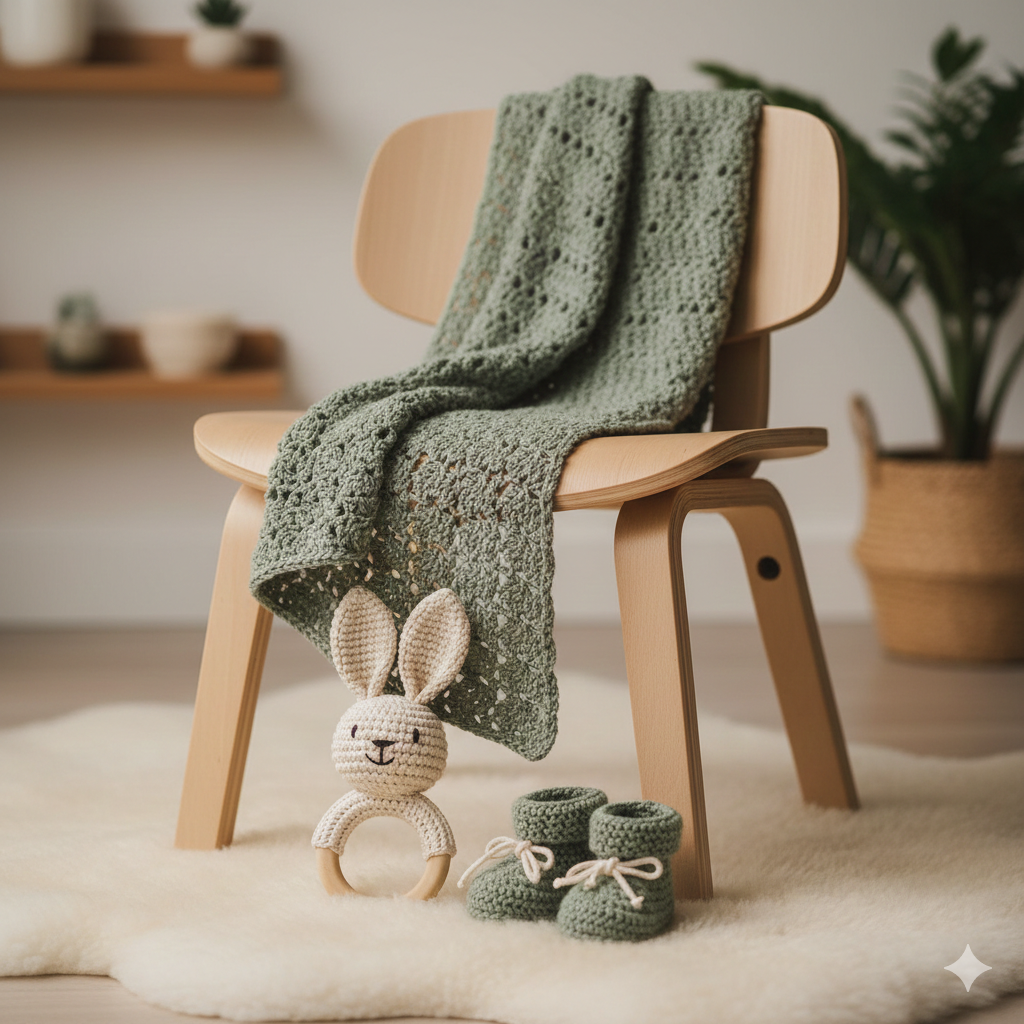
There’s something magical about crochet. The rhythmic loops, the soft texture, the knowledge that each stitch was placed by human hands with intention and care. For centuries, parents have wrapped their babies in crocheted blankets, dressed them in handmade booties, and comforted them with lovingly crafted toys. Today, this timeless craft is experiencing a remarkable revival as modern parents rediscover the unmatched benefits of crochet baby essentials.
Understanding the Crochet Renaissance
Walk into any boutique baby store today, and you’ll find crochet items commanding premium prices. But this isn’t just a trend—it’s a recognition of genuine value. Parents are increasingly aware of what goes into and onto their babies’ bodies, and crochet offers transparency that mass production cannot match.
When you choose crochet baby essentials, you’re selecting items made from natural fibers, created without harsh chemicals, and constructed using techniques that have proven safe and effective across generations. Unlike factory-made alternatives, crochet items allow you to know exactly what materials touch your baby’s delicate skin.
The Natural Fiber Advantage
The foundation of quality crochet baby essentials is the yarn itself. The best crochet baby items use natural fibers like organic cotton, bamboo, and merino wool. Each offers unique properties that benefit babies in different ways.
Organic cotton is hypoallergenic, breathable, and incredibly soft. It regulates temperature naturally, keeping babies comfortable in various climates. The natural fibers allow air circulation, reducing the risk of overheating and skin irritation that synthetic materials can cause.
Bamboo yarn has gained popularity for excellent reasons. Naturally antimicrobial, bamboo resists bacteria and odors without chemical treatments. It’s even softer than cotton, with a subtle sheen that makes finished items look luxurious. For babies with sensitive skin or eczema, bamboo’s natural properties provide relief and comfort.
Merino wool, when properly processed, is surprisingly gentle and suitable for babies. It wicks moisture away from skin, regulates temperature in both warm and cool environments, and provides natural UV protection. Quality merino doesn’t itch like traditional wool, making it perfect for baby garments.
Essential Crochet Items for Your Baby Registry
If you’re new to crochet baby essentials, knowing where to start can feel overwhelming. Here are the items that provide the most value and versatility for newborns and infants.
Crochet Baby Blankets are perhaps the most versatile essential. A well-made crochet blanket serves as a swaddle, a nursing cover, a stroller liner, a play mat, and eventually a comfort object your child may treasure for years. The open weave of crochet allows breathability while providing warmth, reducing suffocation risks associated with tighter weaves.
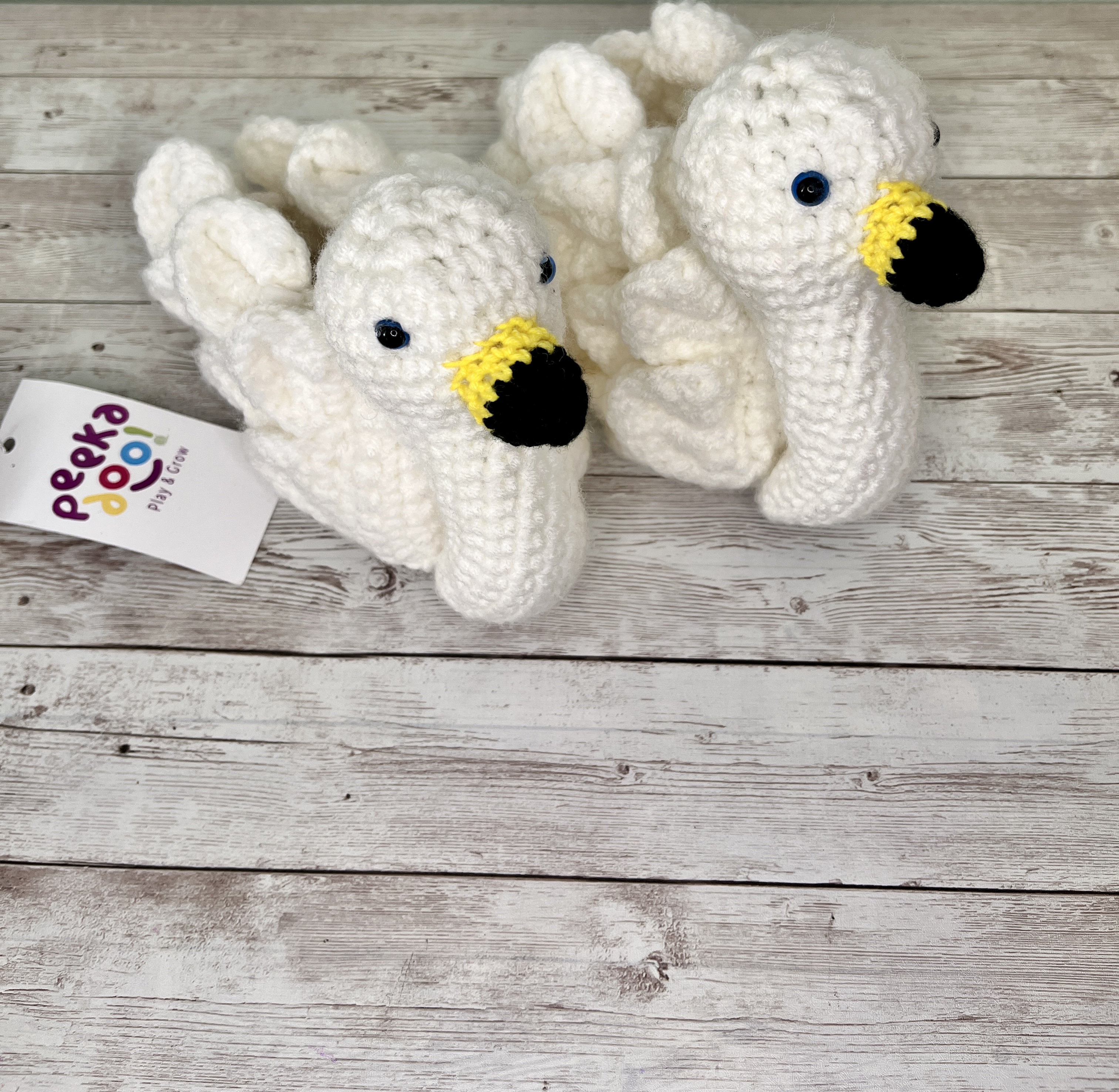
Security Blankets and Loveys combine the comfort of a blanket with an easy-to-grasp design. These smaller items feature character heads attached to soft blanket squares, giving babies something to hold while feeling soothed by familiar textures. The crochet construction creates natural grip points that help developing motor skills.
Crochet Rattles and Teething Toys offer safe sensory exploration. Unlike plastic alternatives that can harbor bacteria in crevices, crochet toys are completely washable and naturally antimicrobial when made from bamboo or cotton. The varied textures stimulate tactile development while the gentle sounds of filling materials provide auditory interest without overwhelming sensitive ears.
Pacifier Holders solve the universal parent problem of constantly losing pacifiers. Crochet pacifier clips attach safely to clothing and feature attractive designs that make them accessories rather than just functional items. The natural fibers are gentle on baby’s clothing and skin.
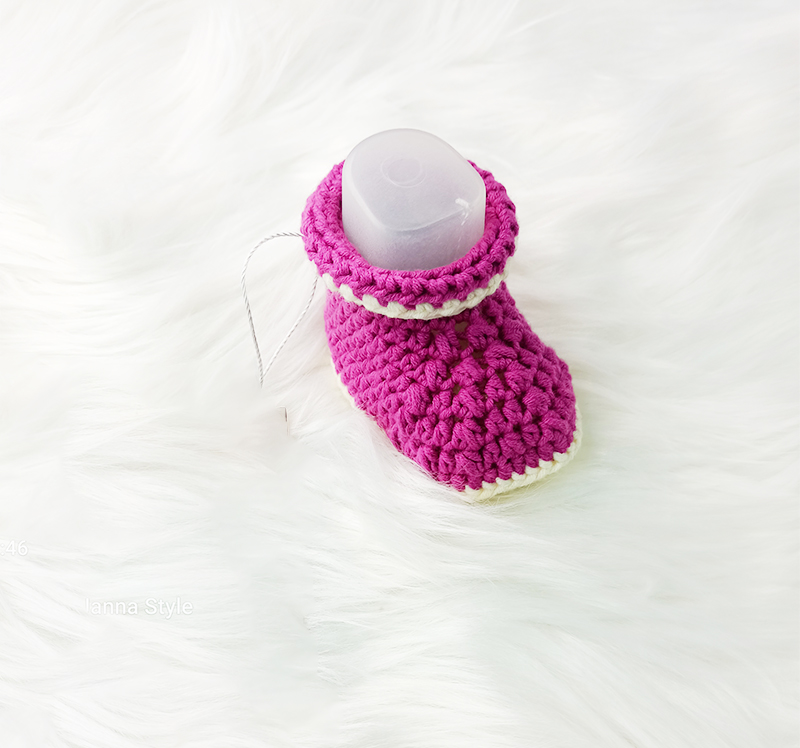
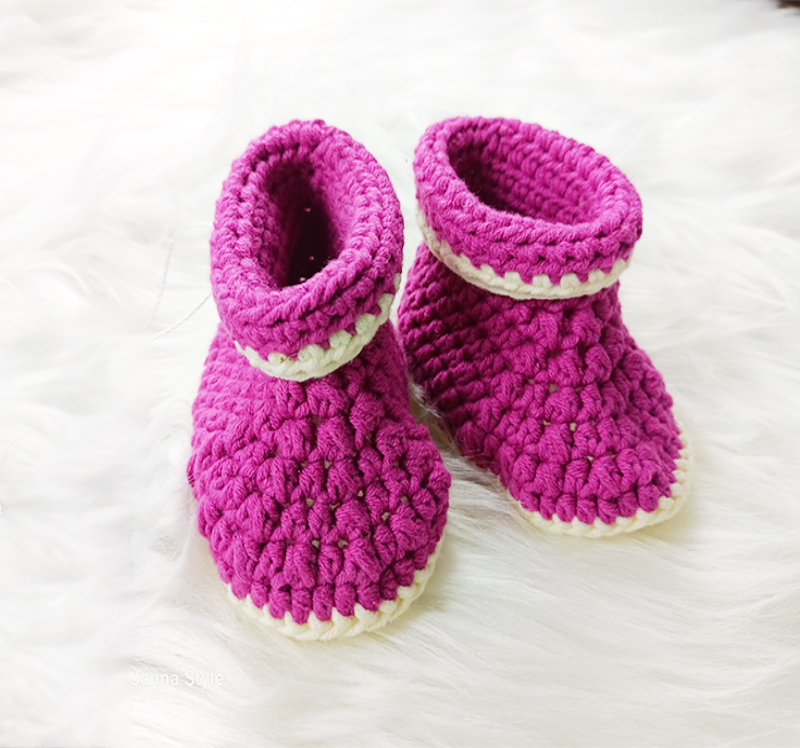
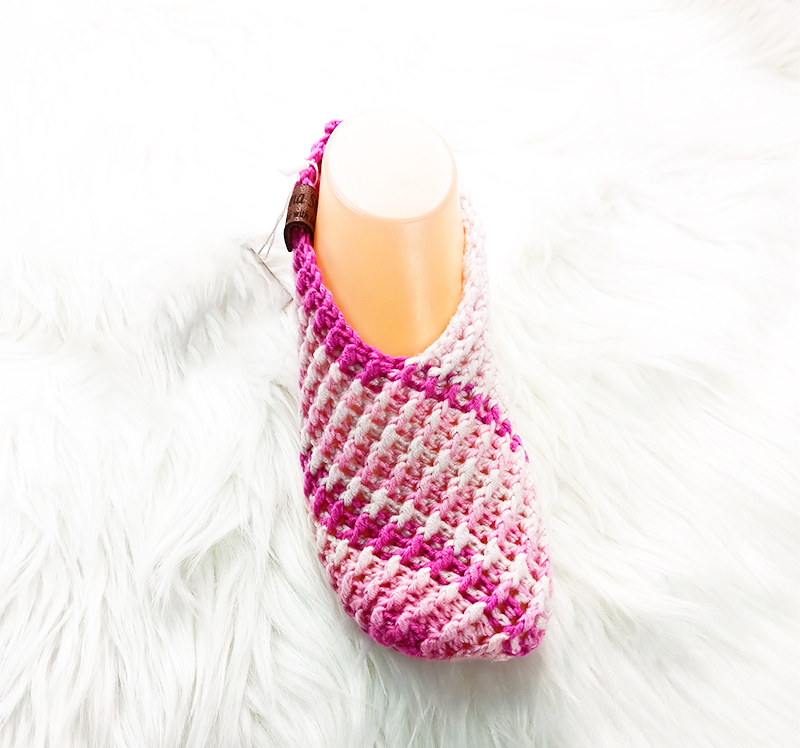
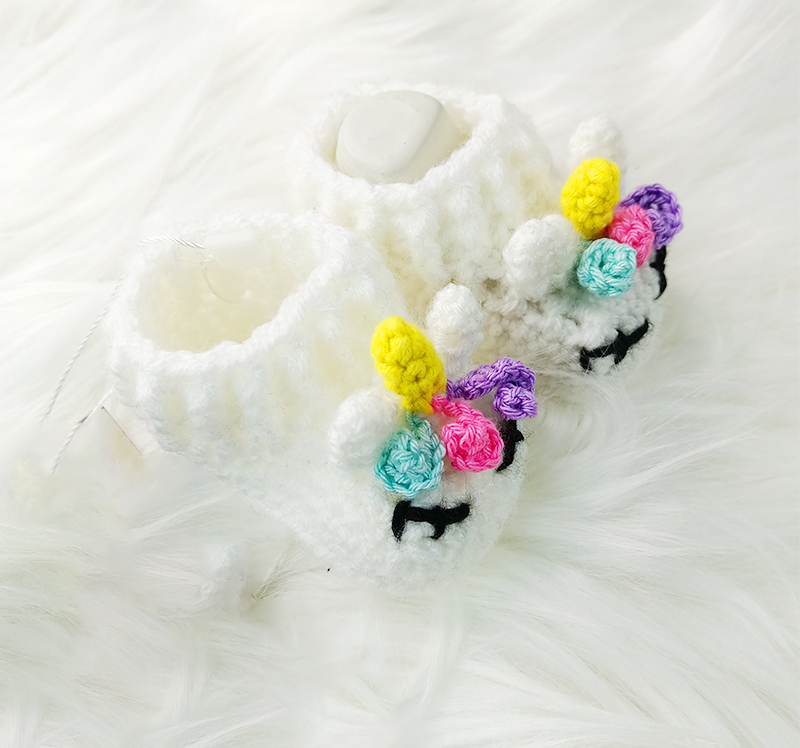
Baby Booties and Hats provide essential temperature regulation for newborns who can’t yet regulate body heat effectively. Crochet construction allows for breathability while providing warmth, and the handmade fit can be customized for your baby’s specific size.
Safety Considerations with Crochet Baby Items
Parents rightfully prioritize safety when choosing baby products. Quality crochet baby essentials are designed with safety as the primary consideration, but knowing what to look for helps you make informed choices.
Secure construction is paramount. Every component should be firmly attached with no risk of detachment. Eyes on amigurumi toys should be embroidered rather than plastic safety eyes for babies under three. Filling materials should be secured inside with tight stitching that prevents access even if the outer layer is damaged.
Yarn choice matters significantly for safety. Natural fibers are inherently safer than synthetics, which can melt if exposed to heat or flame. Quality crochet makers use yarns tested for harmful substances, ensuring no toxic chemicals leach into your baby’s environment.
The gauge of crochet work affects safety as well. Tighter stitches create more durable items with less risk of small fingers getting caught in loops. Reputable crochet artisans understand these technical requirements and construct items accordingly.
Developmental Benefits of Crochet Baby Essentials
Beyond safety and comfort, crochet baby essentials actively support your baby’s development. The unique properties of crocheted items provide specific advantages during critical growth periods.
The varied textures of crochet stitches create a tactile landscape for exploring fingers. Different stitch patterns—from simple single crochet to more complex designs—offer diverse sensory experiences that stimulate neural development. Babies who regularly interact with varied textures develop more sophisticated tactile discrimination skills.
The three-dimensional quality of many crochet items supports spatial awareness development. Unlike flat toys, crochet rattles and balls have depth and weight distribution that babies learn to understand through manipulation. This hands-on learning builds foundational concepts for later mathematical and spatial reasoning.
Crochet items often feature high contrast colors and clear shapes that support visual development. The defined edges of crochet stitches help babies practice focusing and tracking, essential skills for later reading and hand-eye coordination.
The Role of Frustration and Persistence
Developing hand-eye coordination involves countless attempts, many failures, and gradual improvement. How parents respond to babies’ frustration during this process significantly impacts development.
Babies will miss objects they reach for. They’ll drop things they meant to hold. They’ll struggle to place one block on another. These frustrations are essential parts of learning. Your role is supporting persistence without eliminating appropriate challenge.
When your baby misses an object they reached for, resist the urge to immediately place it in their hand. Instead, encourage another attempt. Offer verbal support—”Almost! Try again”—and position the toy to maximize success probability without guaranteeing it. The learning happens in the effort, not just the success.
Watch for signs of genuine distress versus productive frustration. Fussing while continuing to try indicates engagement with appropriate challenge. Crying and giving up suggests the task may be too difficult for their current abilities. Adjusting difficulty based on these cues ensures practice remains productive rather than discouraging.
Caring for Crochet Baby Essentials
One concern parents often have about handmade items is maintenance. The good news is that quality crochet baby essentials are remarkably easy to care for, often easier than many synthetic alternatives.
Most cotton and bamboo crochet items are machine washable on gentle cycles. Use mild, baby-safe detergent and cold or warm water. Placing items in a mesh laundry bag protects them during washing and prevents snagging. Air drying is recommended to maintain shape and softness, though many items can handle low-heat machine drying.
For items that need quick cleaning between washes, spot cleaning with baby-safe soap and water works excellently. The natural antimicrobial properties of bamboo mean these items require less frequent washing than synthetic alternatives while remaining hygienic.
Proper storage extends the life of crochet essentials. Keep them in breathable containers rather than sealed plastic bins, which can trap moisture. Cedar sachets naturally repel insects without chemicals, protecting woolens especially.
The Sustainability Story
As awareness of environmental issues grows, many parents seek products that align with their values. Crochet baby essentials shine in sustainability comparisons.
Natural fiber production has significantly lower environmental impact than synthetic material manufacturing. Cotton and bamboo are renewable resources that biodegrade naturally at the end of their useful life. This contrasts sharply with plastic toys and polyester fabrics that persist in landfills for centuries.
The handmade nature of crochet items means lower energy consumption in production. No massive factories, no industrial machinery running 24/7, no shipping of materials across multiple continents before assembly. Often, crochet makers source materials locally or regionally, further reducing environmental impact.
The durability of well-made crochet items means they can serve multiple children in a family and even be passed down through generations. This longevity dramatically reduces the per-use environmental cost compared to disposable or quickly-replaced alternatives.
Economic and Social Impact
Choosing crochet baby essentials supports more than just your baby—it supports artisan communities and traditional crafts worldwide.
Many crochet baby essential businesses are women-owned and operated, often by mothers themselves. These businesses provide flexible work opportunities that allow women to earn income while managing family responsibilities. This economic empowerment has ripple effects throughout communities, improving education, health, and quality of life.
The preservation of traditional crafts benefits cultural heritage. Crochet techniques passed down through generations represent accumulated wisdom and artistic expression. Supporting crochet artisans helps ensure these skills aren’t lost to automation and mass production.
Fair trade practices in the handmade sector ensure artisans receive fair compensation for their skilled work. Unlike the exploitation common in fast fashion and cheap toy manufacturing, ethical crochet businesses prioritize maker welfare.
Aesthetic and Emotional Value
There’s an intangible quality to handmade items that factory products can’t replicate. Parents consistently report that crochet baby essentials feel special in ways that mass-produced items don’t.
The visual appeal of crochet items enhances nursery aesthetics. The soft, organic look of natural fibers complements modern minimalist design and traditional décor equally well. Many parents find that displaying beautiful crochet items reduces visual clutter compared to plastic toy collections.
The emotional connection to handmade items is real and valuable. Knowing that someone crafted an item specifically for your baby—or at least with babies like yours in mind—creates a sense of connection and care that’s absent from conveyor-belt production.
Many families develop attachment to specific crochet items that become part of their child’s story. These pieces often transition from functional items to treasured keepsakes, carrying memories and emotional significance that justify their initial investment many times over.
Choosing Quality Crochet Baby Essentials
Not all crochet items are created equal. Knowing what distinguishes quality work helps you invest wisely.
Examine the stitch consistency. Even, tight stitches indicate skilled craftsmanship and ensure durability. Loose or irregular stitches may unravel or create safety hazards.
Check how pieces are joined. Quality work features seamless joins or extremely secure seaming that won’t separate. Ends should be thoroughly woven in and invisible.
Assess the yarn quality. Natural fibers should feel soft and substantial, not scratchy or thin. Ask makers about their materials—reputable artisans are proud to discuss their yarn choices.
Consider the finishing details. Quality items have smooth edges, even tension, and thoughtful design elements that show attention to detail.
Investment in What Matters
Crochet baby essentials typically cost more than mass-produced alternatives. This price reflects the time, skill, and quality materials involved in their creation. When you consider the durability, safety benefits, developmental advantages, and environmental impact, the true value becomes clear.
These aren’t disposable items destined for landfills after a few months. They’re thoughtfully crafted essentials that support your baby’s development, align with your values, and can become part of your family’s story.
Conclusion: Choosing Craft Over Mass Production
In a world of endless cheap options, crochet baby essentials represent a conscious choice for quality, safety, and values. They connect your baby to centuries of nurturing tradition while incorporating modern understanding of development and safety.
Whether you’re building your own baby registry, choosing a meaningful baby shower gift, or simply wanting the best for your little one, crochet baby essentials deserve serious consideration. The benefits—developmental, environmental, social, and emotional—extend far beyond the immediate function of each item.
Why Us
Skill-Building Design
Handmade toys and essentials that support fine motor skills, hand-eye coordination, and sensory play.
Natural & Safe Materials
Soft, breathable cotton and bamboo yarns—gentle on babies and made with care.
Impact With Every Purchase
We empower women artisans and create responsible products aligned with key SDGs.